A garage door looks basic from the driveway, however every smooth, quiet cycle conceals a lot of physics. Weight circulation, springtime torque, track geometry, anchoring, opener pressure limits, even the weather strip account, all of it needs to line up. When it does, you rarely notice the door. When it does not, you get a rattle that spreads via the framing, Northwest Indiana’s Garage Overhead Door Experts a door that drifts open on a windy night, or worst of all, a panel that knocks down when a spring breaks. I have actually seen every version of the preventable blunder, from DIY installs that chewed up new rollers in a month to brand‑new Residential Garage Doors that twisted after the first lake‑effect wind. A lot of those troubles begin with the exact same handful of missteps.
This is an honest map of the catches, written from the jobsite. If you are hiring, it will certainly assist you vet a Garage Door Solution. If you are identified to do it yourself, it will certainly assist you make safer, smarter selections and recognize when to stop briefly and call a professional.
The unseen area that creates the biggest difficulty: misunderstanding door weight and balance
A sectional Garage Door does not need to really feel light, it requires to be balanced. With the opener separated, a properly balanced door must stay put if you raise it to the halfway point. If it drifts up, the springtimes are over‑wound or overrated for the door weight. If it moves down, there is inadequate counterbalance. New installers typically attempt to repair slow-moving travel by turning up the opener pressure. That is a band‑aid, and it cooks the opener electric motor while concealing a spring issue. I have replaced five‑year‑old Residential Garage Door Openers that passed away young since they were asked to lift 60 pounds of net lots every cycle.
Balance begins with truth door weight. Directory weights assume conventional equipment and no added insulation, windows, or ornamental hardware. I evaluate doors with a scale when the specification doubts. On a recent job in Crown Factor, a protected 16‑foot steel door with windows was 35 pounds larger than the chart recommended. One measure in torsion springtimes made the distinction in between a silky lift and an opener that groaned.
If you have extension springs, equilibrium still matters, however the threat account modifications. When an extension spring breaks without a control cord, it can whip. If you are acquiring an older configuration in Hammond or Hobart, check for control cable televisions going through the springtimes. If they are missing out on, include them prior to you touch anything else.
Measurements that cost you twice: clearance, backroom, and side room
A perfect door can function awfully if the opening geometry is incorrect. Clearance is the area over the opening to the most affordable blockage. Backroom is the depth of the garage from the opening to the back wall surface or initially significant blockage. Side room is the clear room to the left and right of the opening where vertical tracks, drums, and angle iron live. On paper, you can fudge a little with low‑headroom sets or special drums. In practice, every concession has a cost.
I discovered this the hard way on a very early task in Merrillville. The property owner had 9 inches of headroom and wanted a basic torsion configuration. We shoehorned it in, yet the opener rail kissed a ceiling joist every cycle. Two weeks later, we returned with a front‑mount torsion system and a low‑profile opener. It worked, yet the extra journey can have been prevented with an honest conversation concerning clearances on day one.
Measure in 3 areas and use the tiniest number. Check for garage door openers, lights, ductwork, and bonus‑room overhangs. In Portage and Valparaiso, I see a great deal of garages under living spaces, which indicates lower ceilings and unequal framing. A tidy illustration with measurements avoids surprises and keeps you from carving fresh drywall after the tracks go up.
Tracks that look fine, until the last panel binds
Track positioning is not a pointer. The verticals need to be plumb, the horizontals have to be level, and both sides need to reside in the same universe. If one horizontal track kicks out a fifty percent inch greater than the other, the leading area will torque and the hinges will whine. If the vertical tracks are even a couple of levels out of plumb, the rollers will turn and scuff the rear of the track in one direction and appear the other.
I carry a 6‑foot level and a laser, but a length of string can tell you a lot. Attach it to the flag braces and view the run. The contour at the shift between vertical and horizontal needs to be smooth. Heavy doors need a bigger span contour than light-weight doors. Mix those up, and you will certainly obtain stutter at the edge, despite just how much lubricating substance you add.
Pay attention to the shimming. Do not go after the studs with long screws that pull the track out of plane. Use appropriate track screws and slotted braces so you can fine‑tune. If the flooring is out of level by more than half an inch throughout the opening, do not square the door to the floor. Make the door square within the opening, established a degree recommendation, and make use of a limit seal to bridge the irregular piece. Otherwise, the leading area will certainly never seal effectively, and you will be combating wind whistles every winter.
Torsion spring mathematics matters greater than bravado
There is a particular sort of courage that appears when a person acquires a winding bar collection and figures the remainder will certainly follow. I value do it yourself spirit, however torsion springtimes keep actual power. Utilize the ideal bars, not screwdrivers. Wear eye protection. And maintain both bars in the cone during winding.
More important, get the spring size right. Cord dimension, inside size, and size all come from a formula tied to the door weight, drum size, and lift type. Guessing will cost you. I have unwound brand‑new springtimes in Schererville that were a full wire dimension also small due to the fact that a person went shopping on rate. The opener could move the door, however the cable drums were slipping intermittently under lots, which marked the drums and extended the cords. By the time we exchanged in the right springtimes, we likewise had to change the drums and cables.
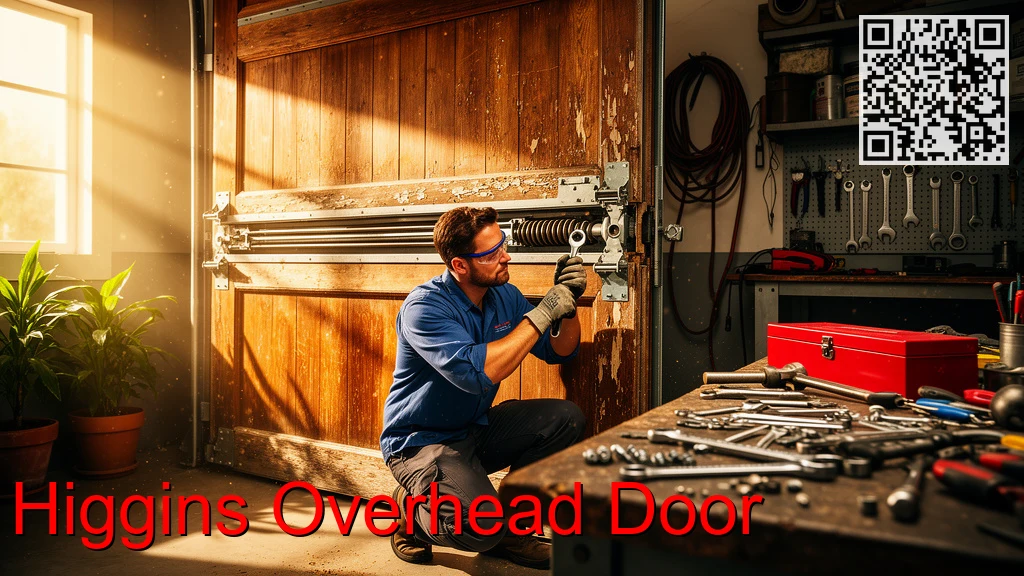
If you are converting from expansion springs to torsion, analyze the shaft support. A 16‑foot shaft that sags will certainly pack the end bearings erratically and use the cones. An added facility bearing brace in a broad opening is economical insurance.
Fasteners right into genuine framework, not just drywall and hopes
I have counted on one hand the variety of garages with framing specifically where you desire it. A lot of the time, you require to find studs or add blocking. Lag bolts require to bite strong timber. If you drive lags into split or deteriorated studs, or you rely on masonry supports that are not rated for shear, the door will certainly draw its method loose over time.
In Lake Station, I assisted a family whose door had actually ripped a flag brace out of a block wall surface during a tornado. The anchors were the short ones that are available in an equipment shop package. We pierced much deeper, utilized sleeve supports ranked for the lots, and backed them with a ledger to disperse the pressure. If you are mounting into block, respect the mortar joint, however aim for full‑depth supports in strong brick when feasible. In older Munster bungalows, the jambs in some cases hide shims and air. Poke test holes to validate meat behind the drywall before you commit.
The opener is not a winch: suit power, rail kind, and includes to the door
Residential Garage Door Openers can be found in flavors that fit different doors. A one‑piece wooden tilt‑up needs a various approach than a 16‑by‑8 protected steel sectional. Chain drive is resilient and affordable, belt drive is quieter, and wall‑mount openers liberate clearance and minimize rail flex for hefty doors. The horsepower score is just component of the story. Gearbox high quality, rail rigidity, and take a trip rate matter too.
One silent upgrade I suggest in Chesterton and St. John is a direct‑drive wall‑mount opener coupled with a torsion shaft for heavy shielded doors. It cleans up the ceiling and removes a lot of vibration from the structure. If you go this course, check that your torsion tube and drums are compatible with the opener coupler. For conventional ceiling‑mounts, ensure the opener rail is centered and lined up with the door. A crooked rail introduces side tons that chews with cart bushings.
Do not forget safety sensors. Mount them no greater than 6 inches off the flooring, co‑planar, and protected from wheels and kids. I have seen way too many sensors zip‑tied to random pipes that move out of placement each time someone drags a garbage can by.
Weather seals and limits that in fact seal
Homeowners see drafts on the initial cold wave. Bottom seals harden with age. Jamb seals can crinkle away from the door if they are mounted in a bow. When suitable new Residential Garage Doors, I dry‑fit the lower seal with the door down and inspect light gaps. On irregular pieces, a flexible aluminum retainer with a taller light bulb seal conserves the day. In Valparaiso, where freeze‑thaw cycles heave pieces a bit, I sometimes mount a diagonal threshold glued to the flooring to develop a reliable landing for the seal. It additionally stops wind‑driven fallen leaves from spiraling right into the garage.
Avoid over‑tightening the side seals. They should kiss the door, not squash it. Excessive pressure curls the vinyl and adds friction, which can journey opener force sensing units en route up in winter when lubes are stiff.
Insulation, R‑values, and sincere expectations
Insulated Residential Garage Doors aid with comfort, however not all R‑values are produced equal. Polyurethane‑filled doors secure much better and are stiffer for a given density than polystyrene. Do not anticipate a garage to feel like a living-room just because the door is insulated. You still have conduction through concrete and gaps at edge joists. What you should anticipate is less temperature level swing, a quieter door, and far better stamina against wind. Much heavier insulated doors also require springing and opener selections that show the included weight.
If you save tools or have a home health club in the garage, insulation is worth it, especially near Lake Michigan where wind and lake impact make winter months bite. That claimed, I have actually seen individuals spend extra for the highest possible R‑value panel, then leave a half‑inch gap along the jamb. Emphasis first on a quality door with tight joints and an appropriate seal plan.
Local wind loads and code facts that do not forgive shortcuts
Northwest Indiana sees its share of gusts. In Whiting and along subjected great deals in Cedar Lake, wind can pressurize the face of a big door and bow panels if the door is under‑braced. Wind‑rated doors make use of heavier gauge skins, struts, and far better securing patterns. If you are exchanging a door without considering wind tons, especially on double‑wide openings, you are rolling dice. The distinction in between a door that trembles and a door that holds shape is a couple of added struts and right joint types in the leading sections.
Do not miss authorizations if your town requires them. Some towns tie assessment to wind supporting and fire separation in garages under living room. It is not red tape for fun, it is the framework that maintains your insurance coverage valid after a storm.
The two lures that mess up brand-new doors: lubrication and pressure dials
residential garage door repairThere is a right time to lube and an incorrect place to spray. Make use of a garage‑door particular lubricating substance sparingly on rollers with sphere bearings, hinges at the pivot factors, and torsion spring coils. Do not oil the tracks. Oil ends up being grit paste and reduces the rollers. Clean tracks tidy rather. If a nylon roller squeaks, change it rather than seasoning it.
On opener force and traveling settings, begin with the manual. Set travel initially, after that pressure, after that test the auto‑reverse. A 2‑by‑4 laid level under the door is the usual examination block. If the door does not reverse when it strikes the block, turn the force down and examine equilibrium once again. I have seen well‑meaning folks crank force to max since the door jumped off the seal. That is not a fix, it is a hazard.
A brief pre‑install check that conserves hours later
- Confirm headroom, side area, and backroom in 3 places each, and sketch obstructions. Weigh the old door or compute the brand-new door weight with add‑ons like home windows and hardware. Verify framework and choose supports that match the material, not the product packaging photo. Stage correct springtimes, drums, and track span for the door weight and size. Test the opener on a bench or flooring to validate travel prior to hanging it.
When to quit and call a pro
- The door weight or spring option doubts and you can not verify with a scale or spec. A panel is noticeably curved, joints are wrinkled, or the top section bows under the opener arm. Cables have jumped the drum or are frayed, and you do not have winding bars and confidence. The piece runs out level more than an inch and you require a threshold plan. The opening is under a living space, and you are uncertain about fire splitting up or code.
A great local attire does not just market a door. They suggest. If you look Garage Door Firms Near Me in Schererville or Garage Door Repair Work Near Me in Valparaiso, search for specifics in their descriptions, not just discount coupons. In my experience, teams that work consistently in Cedar Lake, Chesterton, Crown Factor, Hammond, Hobart, Lake Terminal, Merrillville, Munster, Portage, St. John, and Whiting recognize the peculiarities of local framing, wind, and wintertime. That local memory bank matters.
Accessories and tiny choices that add huge daily value
Residential Garage Door Add-on are not fluff when selected well. A steel support bracket at the opener arm connection on the leading panel keeps the section from creasing. An automated deadbolt that engages when the opener closes tenses the door versus spying without you considering it. Smart controllers that integrate with your phone allow you examine if the door is shut from the road, and some include notifies if the door is exposed longer than a set time. If you have youngsters, those notifies spend for themselves fast.
Battery backup is worth it. Power flickers are greater than a trouble if a vehicle is inside and the hand-operated release is hard to reach. In areas with expenses lines, a back-up transforms a non‑event right into, well, a non‑event.
After the last screw: the quiet strike list
The best sets up end with a slow-moving, important cycle. View the rollers at each joint as the door travels. They need to stay focused in the track, not ride high or reduced. Listen for clicks, which normally suggest joint play or a roller with a level place. Inspect wire tension at mid‑travel. The slack side should not go soft adequate to take the chance of jumping the drum. Verify that ready screws on drums and springtimes eat, however do not dimple the shaft with wild force. Mark the drum and shaft with a paint pen so you can identify creep later.
Cycle the opener via its complete travel three times. Sensors straightened, lights working, wall surface control and remotes coupled, holiday lock described to the property owner. Leave a tiny wall mount or tote with extra hinge screws, a brief size of lower seal, and touch‑up paint for steel doors. Those small touches keep minor nicks from ending up being corrosion blooms.
Real cases that reveal the cost of small mistakes
In Munster, a home owner acquired a good-looking carriage‑style steel door and installed it with a buddy. They misread the drum established screw area and injury one spring in reverse. The door opened up, yet it sneaked down over night and left a two‑inch void. They turned up opener pressure to hold it. Two weeks later, the opener trolley removed. The repair was easy, relax and rewind the springtime the correct direction, change the cart, and reset pressure. The bill would have been half without the opener damage.
In Hobart, a double‑wide door babbled heading up only in winter. The tracks were square, springs right, opener smooth. The culprit was the side climate seal screwed in a curly line that pinched the door erratically when the plastic tensed in wintertime. We re‑set the seals on a chalk line, backing off the stress, and the chatter disappeared. It is a suggestion that not every noise is a large mechanical failure.
In Valparaiso, I switched a bent top section where the opener arm had been affixed without a reinforcement bracket. The panel creased at the stiles under duplicated load. Twenty dollars of steel would certainly have saved an area worth hundreds.
Safety and good sense keep repair work away
Garage Door Fixing fits. Cords wear, springtimes reach their cycle life, rollers lose bearings. Yet a large piece of emergency calls can be protected against with a solid install and a fast seasonal routine. Twice a year, separate the opener and really feel the balance. Clean the tracks, dab lubricant moderately where it counts, and eye the wires for broken strands. If you listen to a new noise, discover its resource prior to it becomes a larger one.
If something feels past your convenience, obtain assist before you are in deeper. Whether you remain in Garage Door Repair Cedar Lake area or you require Garage Door Repair work Chesterton, Garage Door Repair Service Crown Factor, Garage Door Repair Service Hammond, Garage Door Fixing Hobart, Garage Door Repair Work Lake Station, Garage Door Fixing Merrillville, Garage Door Fixing Munster, Garage Door Repair Work Portage, Garage Door Repair Schererville, Garage Door Fixing St. John, Garage Door Repair Work Valparaiso, or Garage Door Repair Service Whiting, a capable tech will certainly diagnose rapidly, discuss options, and leave you with a door that feels easy again.
The influential case for doing it right the very first time
You see your garage door more days than you see your dental practitioner. It is the front line against weather condition, a large piece of your home's visual allure, and a maker that operates inches from household and pet dogs. Reducing corners on Garage Door Installment does not save money once you count the premature opener replacement, the warped panel, the draft, the 9 pm call because a cable television slid a drum. Doing it ideal is not unique. It takes care measuring, correct springing, true tracks, strong anchoring, a matched opener, and restraint on the force dials. Add little touches like reinforcement brackets, high quality seals, and clever controls, and you end up with a door that disappears right into the rhythm of your days.
If you are going shopping, ask a prospective installer exactly how they size springtimes, exactly how they deal with uneven pieces, what fasteners they make use of in block versus timber, and what they advise for your specific wind exposure. Listen for details. If you are installing yourself, maintain this guide close, and be sincere with on your own concerning the steps that belong in a pro's hands. A silent, balanced door is not a deluxe. It is the standard your home deserves.